
Highlights:
- Hopelessness isn’t just sadness — it’s a self-reinforcing loop built on three beliefs: things won’t improve, you have no control, and your efforts won’t matter, which discourages the very action that could break the cycle.
- More young people are actively seeking professional support during hard times, like grief, than previous generations did — a sign that reaching out is increasingly normalized, not a mark of failure.
- Hope functions more like a skill than a passive feeling — it’s built through having a goal, believing you can influence your path, and creating backup routes when the first plan stalls.
- Engaging in activities that draw on your personal strengths can measurably lift your sense of hope and wellbeing, even before your circumstances actually change.
- Persistent hopelessness lasting most of the day for two or more weeks, especially alongside withdrawal or changes in sleep and energy, is a signal to involve a professional rather than trying to push through alone.
Hopelessness has a way of convincing us that nothing will ever change. It narrows our view of the future until it feels like there is no future worth looking toward at all. If you are in that place right now, please know that this feeling, however real and heavy it is, is not a permanent verdict on your life. Psychology has spent decades studying hope, and the research consistently shows that it can be rebuilt, even after it feels completely gone. This article looks at what the latest data and research tell us about hopelessness and hope, and what you can actually do when you find yourself stuck in that dark place.
Why Hopelessness Feels So Overwhelming
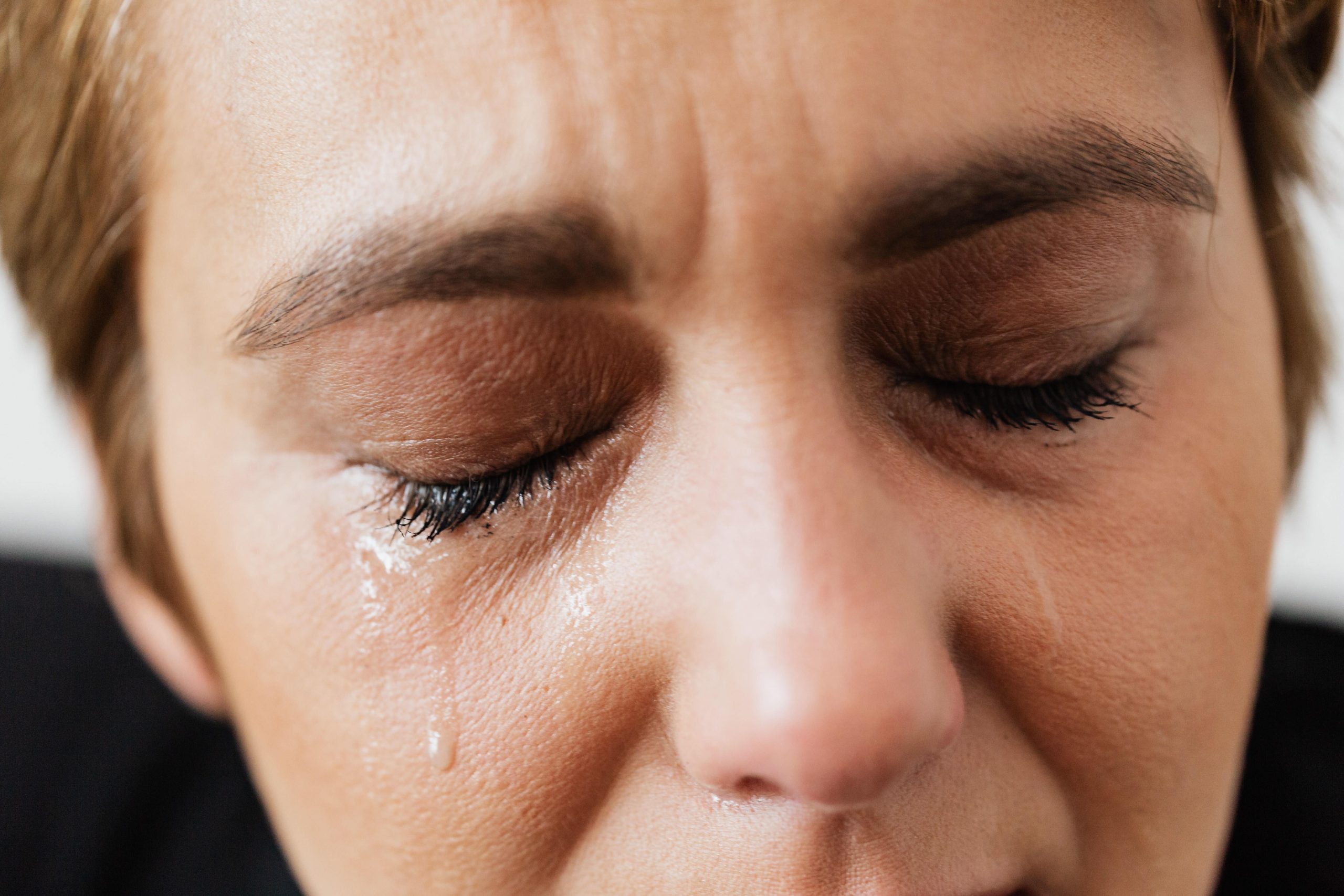
Hopelessness is different from ordinary sadness. Sadness tends to be tied to a specific event or loss, and it usually has an edge to it that you can name. Hopelessness is quieter and more diffuse. It seeps into how you see your future, your abilities, and your worth, often without a single triggering event you can point to. Psychologists describe hopelessness as a cognitive pattern built on three interlocking beliefs:
- The belief that things will not get better
- The belief that you have little or no control over what happens to you
- The belief that your efforts will not make a meaningful difference
When these three beliefs combine, they create a mental loop that discourages action. And because taking action is usually what changes our circumstances, hopelessness can become self-reinforcing. The less you do, the more evidence you seem to gather that nothing will change, which deepens the hopelessness further.
What Two 2026 Data Points Reveal About Hope and Struggle
Two recent pieces of research, released in 2026 from very different corners of the field, offer a fuller picture of where things stand and why hope-focused approaches matter more than ever.
The first comes from a 2026 mental health report by Grow Therapy, a mental health care platform that regularly surveys generational attitudes toward emotional wellbeing. Their data found that close to a third of Gen Z adults, roughly 32 percent, now turn to professional therapy when they are grieving a loss, compared with less than a quarter of Baby Boomers who do the same. On its surface, this might look like a statistic about generational differences in therapy use. But looked at more closely, it tells a more encouraging story: younger generations appear to be moving away from suffering in silence and toward actively seeking support during some of life’s most disorienting moments, including grief, which is one of the most common gateways into hopelessness.
The second data point comes from a 2026 study published in the Psychotherapy and Counselling Journal of Australia by researchers Ignjatovic, Kern, Delle Fave, and Allen. Drawing on data from 248 participants who took part in a strengths-based wellbeing program, the researchers found that both hope and a state of deep, absorbed engagement known as flow independently predicted higher levels of overall wellbeing. In other words, people did not need to wait until their circumstances improved to feel more hopeful. Simply engaging with activities that drew on their personal strengths was enough to shift their internal sense of hope and, in turn, their wellbeing.
Taken together, these two findings point to the same underlying idea from two very different angles. One shows that more people are actively reaching for support rather than isolating themselves, and the other shows that hope is something you can actively cultivate through engagement and action, not something you have to passively wait to feel.
The Psychology of Hope: It Is a Skill, Not Just a Feeling
One of the most important shifts in psychological research over the past few decades has been reframing hope as something closer to a skill set than an emotion. Psychologist Charles Snyder’s hope theory, which still underpins much of today’s research, breaks hope down into three components:
- Goals – having something specific and meaningful you are working toward
- Agency – the belief that you have the ability to influence your own path
- Pathways – the ability to generate more than one route toward your goal, especially when the first one gets blocked
This framing matters because it means hope is not something you either have or do not have. It is built through small, repeated practices: setting a goal, identifying a first step, and creating backup plans when things do not go as expected. When people feel hopeless, it is often because one or more of these components has broken down, most commonly the belief in personal agency.
How Rising Help-Seeking Numbers Offer a Reason for Hope
It is worth pausing on that Grow Therapy figure again, because it says something important about the world you are navigating right now. A generation raised amid economic uncertainty, climate anxiety, and social media pressure is nonetheless choosing to seek help at higher rates than the generations before it. That shift did not happen by accident. It reflects years of public conversation chipping away at the stigma that once kept people quiet about their struggles.
If you feel hopeless, one of the hardest parts is often the belief that reaching out will not help or that no one will understand. The data suggests otherwise. More people your age, and younger, are finding real relief through professional support, and mental health providers are becoming more accessible, more specialized, and more attuned to the specific struggles of different life stages. Choosing to reach out is not a sign of weakness or failure. It is, statistically, what more and more people are doing successfully.
What the Hope-and-Flow Study Teaches Us About Rebuilding Meaning
The 2026 study on hope and flow offers something practical that goes beyond statistics: a roadmap. The researchers were building on a concept from acceptance and commitment therapy called “creative hopelessness,” which sounds contradictory but describes a very real turning point. It is the moment when a person stops fighting to control feelings they cannot control and instead redirects their energy toward values-based action.
What made the difference for participants in this study was not simply positive thinking. It was engagement with activities that drew on their personal strengths, activities absorbing enough to produce that flow state where time seems to fall away. This tells us that hope is not purely cognitive. It has a behavioral and even physical component. You do not think your way into hope nearly as effectively as you act your way into it. For someone who feels hopeless, this research points toward a few practical implications:
- Hope tends to grow through doing, not only through reflecting
- Activities that use your personal strengths are more likely to produce meaningful engagement than random distractions
- Even a modest, structured strengths-based routine can shift your overall sense of wellbeing over time
Practical Ways to Start Finding Hope Again

Rebuilding hope after it has collapsed rarely happens in one dramatic moment. It tends to happen gradually, through small, deliberate choices. Based on what psychology tells us, here are some approaches worth trying.
- Name one small, achievable goal. Hope theory tells us that hope requires a goal to move toward. It does not need to be significant. It can be as small as getting outside for ten minutes today.
- Identify more than one pathway. If your first plan does not work, having a backup plan protects you from the all-or-nothing thinking that often deepens hopelessness.
- Reconnect with your strengths. Think about what you are naturally good at or what used to bring you a sense of flow, whether that is writing, cooking, building something with your hands, or helping others, and find a small way to engage with it again this week.
- Talk to someone. Whether that is a friend, family member, or licensed therapist, voicing what you are feeling interrupts the isolation that hopelessness thrives on.
- Limit exposure to sources that reinforce despair. This might mean stepping back from constant news consumption or social media comparison for a while.
- Track small wins. Hopelessness distorts memory, making it easy to forget moments of progress. Writing down even minor accomplishments can counteract that distortion over time.
For many people, one of the most transformative shifts comes from reinventing yourself with purpose, which is different from starting over out of desperation. It means intentionally choosing new goals, new routines, or even a new direction in life that reflects who you are now rather than who you were before things felt hopeless. This is not about pretending the difficult period did not happen. It is about letting that period inform a version of yourself that feels more aligned, more resilient, and more capable of moving forward.
Recognizing When Hopelessness Needs Extra Support
It is important to be honest about the limits of self-guided strategies. Hopelessness can sometimes be a symptom of depression or another mental health condition that benefits significantly from professional treatment. Some signs that it may be time to involve a therapist, counselor, or doctor include:
- Hopeless feelings that last most of the day, nearly every day, for two weeks or more
- Losing interest in activities you used to care about
- Withdrawing from friends and family
- Noticeable changes in sleep, appetite, or energy
- Difficulty functioning at work, school, or in daily responsibilities
Seeking support at this stage is not an admission that you have failed to manage things on your own. As the data on rising therapy use among younger generations shows, more people are recognizing that professional support is simply one more tool, and often the most effective one, for finding a way through.
Moving Forward, One Small Step at a Time
Hope rarely returns all at once. It tends to arrive in fragments, through small actions, honest conversations, and moments of genuine engagement that remind you there is still something worth reaching for. The research is clear that hope can be cultivated deliberately, and that more people than ever are choosing to seek support rather than face these feelings alone. If you are struggling with hopelessness or thoughts of self-harm, please consider reaching out to a mental health professional or a crisis support line in your area. You deserve support, and things really can look different than they do right now.
