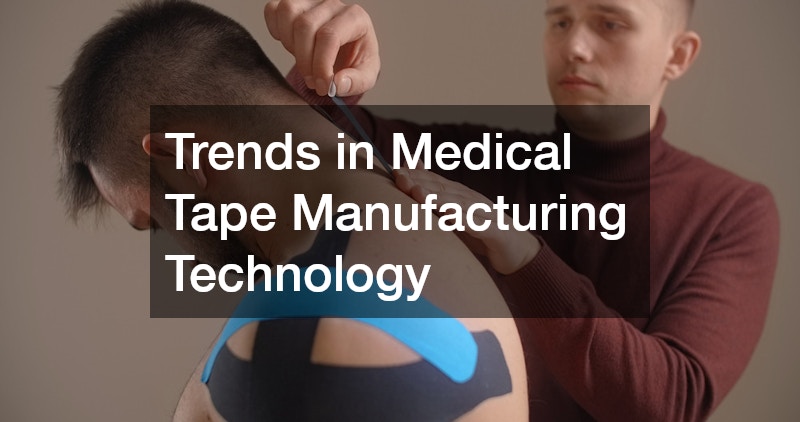
Medical tape may seem like a simple product, but advances in technology have transformed how it is designed, produced, and used in healthcare settings. From hospitals and clinics to home care environments, expectations for performance, comfort, and safety continue to rise. As demand grows for better patient outcomes and more efficient care, medical tape manufacturers are investing in innovation to meet evolving clinical needs.
Advanced Adhesive Technologies
One of the most significant areas of innovation involves adhesive development. Traditional adhesives were often effective but could irritate skin or lose adhesion over time.
New formulations aim to balance strong hold with gentle removal, especially for patients with fragile or sensitive skin.
Silicone-based adhesives have gained popularity due to their ability to adhere securely while minimizing skin trauma. These adhesives allow for repositioning and removal without leaving residue, which is particularly important in wound care and long-term use applications. Improved acrylic adhesives are also being refined to offer better breathability and moisture resistance.
Focus on Skin Safety and Comfort
Patient comfort is now a top priority in product design. Manufacturers are developing tapes that reduce the risk of medical adhesive-related skin injuries, which are a growing concern in healthcare facilities. Innovations include softer backings, hypoallergenic materials, and improved breathability to allow airflow to the skin. These features help reduce irritation, moisture buildup, and discomfort during extended wear. Pediatric and geriatric care have especially benefited from these advancements, as skin sensitivity is more common in these populations.
Enhanced Breathability and Moisture Control
Breathability has become a defining feature in modern medical tape products. Improved airflow supports skin health and promotes healing, particularly in wound care settings. New manufacturing techniques allow for micro-perforations and advanced fabric weaves that enhance ventilation without compromising strength.
Moisture management is another key area of development. Tapes designed to handle sweat, fluids, and frequent cleaning help maintain adhesion in challenging conditions. These improvements are especially valuable in surgical environments and high-movement areas of the body.
Innovations in Backing Materials
Backing materials play a critical role in tape performance. Recent innovations include lightweight nonwoven fabrics, flexible foams, and elastic materials that move with the body. These options provide better conformity and reduce tension on the skin. Manufacturers are also experimenting with transparent and semi-transparent materials that allow clinicians to monitor wounds without removing the tape. This reduces unnecessary disturbances and supports better healing outcomes.
Automation and Precision Manufacturing
Automation has become increasingly important in medical tape production. Advanced machinery improves consistency, precision, and quality control across large production volumes. Automated systems help reduce defects and ensure each roll or strip meets strict performance standards. Precision cutting and coating technologies allow for uniform adhesive application and consistent thickness. These advancements improve reliability and reduce waste, which benefits both manufacturers and end users.
Supply Chain Efficiency and Global Sourcing
Efficiency in sourcing raw materials and managing supply chains has become increasingly important in medical tape production. Manufacturers are refining logistics strategies to reduce delays, control costs, and maintain consistent quality, even during periods of high demand. By diversifying suppliers and improving inventory management, companies can respond more quickly to healthcare needs while minimizing disruptions. Strong supply chain planning also supports faster innovation cycles and more reliable product availability for healthcare providers
Sustainability and Eco-Friendly Materials
Sustainability is becoming a stronger focus across the healthcare supply chain. Many companies are exploring recyclable materials, reduced packaging, and more efficient production processes. Some manufacturers are developing tapes with biodegradable components or using water-based adhesives to reduce environmental impact. While maintaining safety and performance remains the priority, sustainability efforts reflect growing awareness of environmental responsibility within the industry.
Customization and Specialized Applications
Customization is another trend shaping the market. Healthcare providers increasingly seek tapes designed for specific uses, such as securing catheters, managing wounds, or supporting orthopedic applications. This demand has led medical tape manufacturers to offer tailored solutions based on adhesion strength, flexibility, and wear duration. Specialized products improve efficiency in clinical settings and help practitioners choose the right tape for each task.
Regulatory Compliance and Quality Standards
As products become more advanced, regulatory requirements remain a critical part of development. Manufacturers must meet strict quality and safety standards to ensure products perform reliably in medical environments. Advances in testing methods allow for better evaluation of adhesion, skin compatibility, and durability. These improvements support compliance while also driving innovation through data-driven design decisions.
Digital Integration and Smart Technologies
Although still emerging, smart technologies are beginning to influence medical tape development. Research is exploring tapes with integrated sensors that monitor factors such as moisture levels or skin temperature. While not yet widely adopted, these innovations hint at future applications where medical tape plays a role in patient monitoring and data collection. As technology advances, these concepts may become more practical and accessible.
Medical tape has evolved far beyond its basic function, driven by advances in materials science, manufacturing processes, and patient-centered design. From improved adhesives to sustainable practices and emerging smart technologies, the industry continues to adapt to changing healthcare demands.