Explore the growing field of in home health care services and uncover the myriad benefits they offer to both patients and families. This article explains why more people are choosing in home health care, the services provided, and the personalized experience it offers. As healthcare evolves, in-home services are becoming a crucial part of modern care solutions.
1. What is In Home Health Care?
1.1 Definition and Overview
In home health care allows individuals to receive medical and personal assistance at home, maintaining independence while receiving support. It ranges from medical management to daily living activities, enhancing comfort and patient outcomes in a familiar environment.
The approach is patient-centered, focusing on needs and preferences.
1.2 Types of Services Provided
A wide array of services supports a patient’s unique requirements, from nursing care, medication management, and physical therapy to assistance with daily activities like bathing and meal preparation. Companionship services foster social interaction, promoting psychological well-being. These personalized services ensure continuity of care.
1.3 Common Misconceptions
Common myths include that in home care is only for the elderly and not affordable. However, it caters to all ages and many insurance plans offer coverage. The quality of care is high, provided by trained professionals, meeting regulatory standards. Addressing these misconceptions helps individuals recognize in-home health services as a viable option.
2. How Do In Home Health Care Services Improve Patient Quality of Life?
2.1 Personalized Care and Attention
In home health care provides personalized care, allowing for one-on-one interaction and close monitoring. It tailors interventions to lifestyle preferences, enhancing satisfaction and well-being. Trust boosts morale and contributes to improved health outcomes.
2.2 Home Comfort and Familiarity
Care in a familiar home environment boosts morale, minimizes stress, and maintains autonomy. Comfort translates into higher patient satisfaction, supporting mental health and reducing isolation. Being at home helps patients maintain their lifestyle routines.
2.3 Promoting Independence and Autonomy
Patients retain control over daily routines, fostering autonomy. Encouragement helps regain confidence and independence, impacting recovery positively. In-home care assists with strength and mobility rehabilitation, leading to shorter recovery times and improved mental health. Independence is a vital part of the recovery journey.
3. What Are the Cost Implications of In Home Health Care?
3.1 Comparing Costs with Traditional Health Care
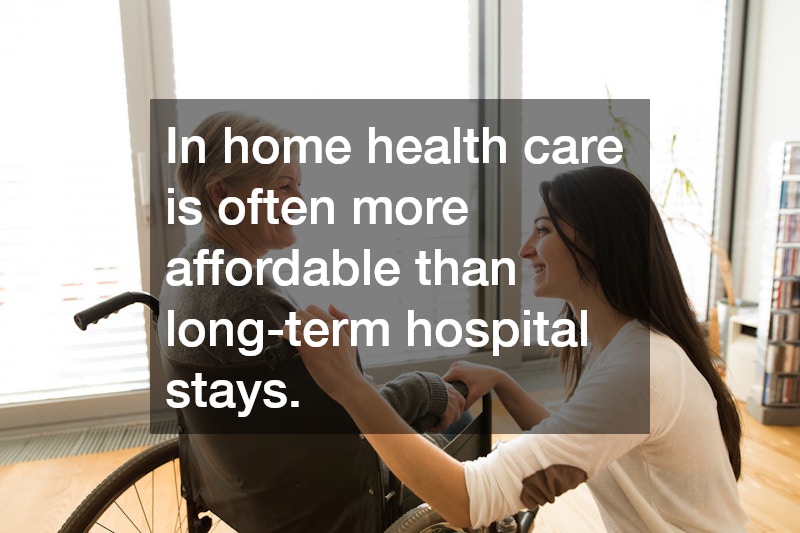
In home health care is often more affordable than long-term hospital stays. Personalized care leads to efficient resource use, eliminating costs associated with traditional facilities, providing a financially viable option without compromising quality. Cost-effectiveness is one of the attractive features of in home health care.
3.2 Insurance and Coverage Options
Insurance for in home health care has improved, offering coverage for medically necessary services. Medicare provides benefits under certain conditions, and private insurers expand policies for home-based care, reducing out-of-pocket expenses. Understanding your coverage can significantly lower financial barriers.
3.3 Financial Aid and Support Programs
Additional financial support is available through Medicaid, state programs, and non-profit organizations, offering grants and subsidies. Financial advisors can guide on budget planning and exploring funding avenues. Financial assistance can bridge the gap for families considering these services.
4. How Does In Home Health Care Support Families and Caregivers?
4.1 Alleviating Family Stress
Professional caregivers relieve family stress, allowing them to maintain normal dynamics and focus on emotional support. This prevents burnout, ensuring peace of mind and a positive environment. Families can concentrate on strengthening bonds without the added pressure of being sole care providers.
4.2 Providing Respite for Caregivers
In home health care offers caregivers rest and recharge time, preventing fatigue. Revitalized caregivers provide compassionate care, improving the overall dynamic. Respite services are often included in care plans. Taking breaks ultimately contributes to more compassionate caregiving.
4.3 Enhancing Family Participation
Family participation in care enhances communication and fosters team health management. Involving family in care techniques and strategies strengthens bonds and ensures care plans align with patient values. Better involvement ensures that care aligns more closely with patient needs.
In home health care services offer personalized, cost-effective solutions aligning with patient needs and supporting families. As demand grows, advancements will enhance quality and accessibility. Embracing this care model can lead to better health outcomes and improved quality of life. As more families see the benefits, in home health care continues to revolutionize health service deliveries.