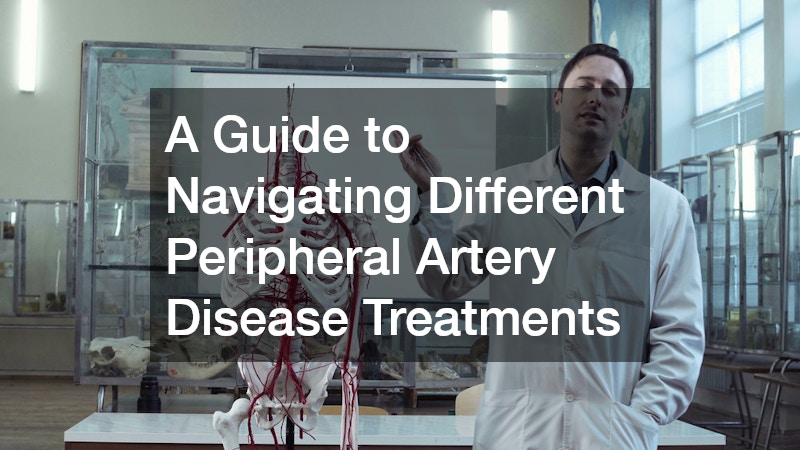
Peripheral artery disease (PAD) is a common yet serious condition that affects millions globally. This ailment occurs when the arteries that carry blood to the limbs become narrowed or blocked, typically due to atherosclerosis. Understanding the various peripheral artery disease treatments available can help affected individuals manage their condition effectively and improve their quality of life.
Lifestyle Modifications for Managing PAD
For many individuals diagnosed with peripheral artery disease, lifestyle modifications represent the first step in treatment. These changes often focus on reducing cholesterol levels, increasing physical activity, and adopting a heart-healthy diet.
Quitting smoking is particularly crucial, as tobacco use is a major risk factor for the progression of PAD. Additionally, maintaining a healthy weight and managing comorbid conditions such as diabetes and hypertension can significantly impact the course of the disease. Through these modifications, individuals can reduce their symptoms and slow the progression of peripheral artery disease.
Exercise programs, especially those that include supervised walking, have been shown to be particularly beneficial. These programs are designed to increase walking distance and duration by gradually improving muscle function and efficiency. Patients are encouraged to walk until they feel pain, rest until the pain subsides, and then resume walking. Over time, this method has been proven to increase pain-free walking distance and improve daily living activities for those with PAD. Such exercise regimens are a cornerstone of non-invasive peripheral artery disease treatments.
Incorporating dietary changes is another vital component of managing PAD through lifestyle modifications. A diet rich in fruits, vegetables, whole grains, and lean proteins while low in saturated fats, trans fats, and sodium can help in managing cholesterol and blood pressure levels. Foods high in omega-3 fatty acids, such as fish, walnuts, and flaxseeds, are especially recommended for their cardiovascular benefits. Making these dietary changes can synergize with other lifestyle adjustments, offering a holistic approach to managing peripheral artery disease.
Pharmacological Interventions
When lifestyle modifications alone prove insufficient, healthcare providers often turn to pharmacological interventions. Medications such as antiplatelet agents, including aspirin or clopidogrel, are commonly prescribed to prevent blood clots. These medications work by interfering with the blood’s ability to clot, thus enhancing blood flow and reducing the risk of complications. Statins may also be used in individuals with PAD to lower cholesterol levels and stabilize atherosclerotic plaques within the arteries.
A recent fact highlights the role of cilostazol, a medication aimed specifically at improving symptoms of PAD. Cilostazol is particularly known for its ability to increase walking distance in patients experiencing intermittent claudication. Working as a vasodilator, it helps widen blood vessels, which enhances blood flow to the affected limbs. This pharmacological approach is invaluable for individuals who cannot undergo surgical treatments or wish to avoid them for as long as possible. Combining cilostazol with supervised exercise therapy can offer substantial benefits for many PAD patients.
While pharmacological treatments offer significant improvements, they must be tailored to fit each individual’s specific needs and conditions. Patient adherence is critical, as consistency in taking prescribed medications directly impacts their effectiveness. Close monitoring by healthcare providers ensures that any side effects or interactions with other medications are quickly identified and managed. The convergence of lifestyle and pharmacological interventions remains a popular strategy to control symptoms and enhance the quality of life for those living with peripheral artery disease.
Surgical and Endovascular Procedures
When nonsurgical treatments fail to provide adequate relief, surgical and endovascular procedures may be necessary. These procedures aim to restore blood flow to the affected limbs, thereby alleviating symptoms and preventing further complications. One of the most common procedures is angioplasty, which involves inserting a small balloon into the clogged artery and inflating it to widen the vessel. A stent, which is a wire mesh tube, may be placed in the artery to keep it open.
Bypass surgery is another option for more severe cases of PAD, where blockages are significant and extensive. This procedure involves redirecting blood flow around a blocked artery using a graft, which can be made from either synthetic material or another vessel from the patient’s body. While more invasive than angioplasty, bypass surgery can provide long-term relief and improved blood circulation. However, as with any surgery, it carries risks, and recovery times can be lengthy. It’s imperative that patients considering this procedure thoroughly discuss the potential benefits and risks with their healthcare team.
In more advanced or complicated cases, atherectomy may be performed, which involves physically removing the plaque from the arteries. This procedure uses a catheter fitted with a tiny cutting device to shave away the plaque, thereby restoring blood flow. Though less commonly performed than angioplasty or bypass surgery, atherectomy can be a viable option for certain patients. With the advancements in surgical techniques and technology, these procedures can significantly reduce symptoms and improve the overall prognosis for individuals with peripheral artery disease.